Why fix the website before spending on anything else?
Because every pound spent anywhere else ends up on it. Ads, search, social and a piece in the trade press all deliver a person to the same page, and if that page does not say what you do, show what you have done and make the next step easy, the pound is spent and the person is gone. The fixes are often cheap: a first line that says what you do and where, a page for each service you want more of, real photographs of real jobs, and a short form near the proof.
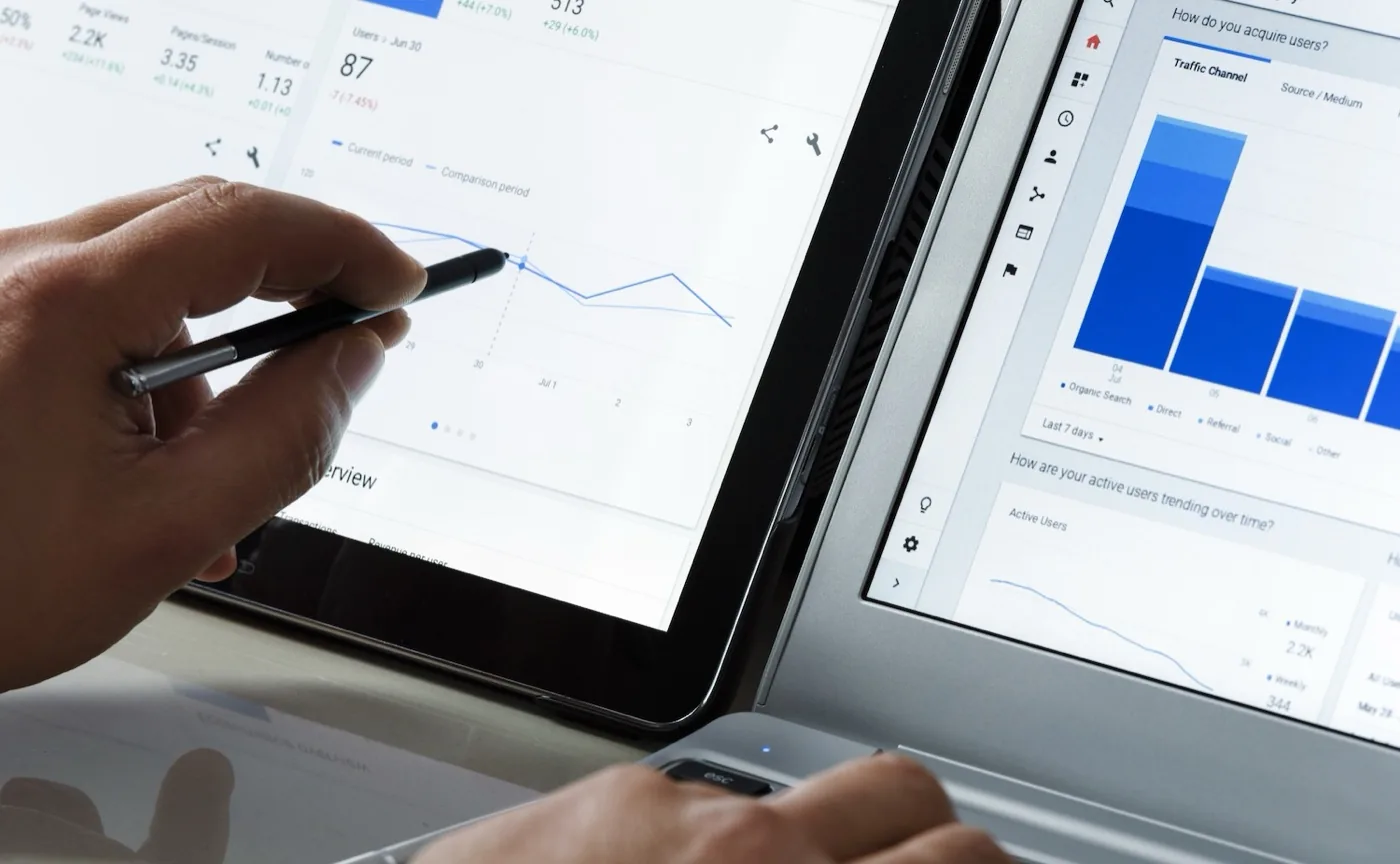
This step is also where the numbers start. Until the form and the phone number are tracked, nothing spent afterwards can be judged, and that tracking is missing more often than you would think.
What comes second: SEO, Google Maps or AI search?
Whichever one your buyers already use, which for most Leeds trades and B2B firms is a Google search for the service and the place, with the map pack and the AI answer drawn from the same signals. Treat them as one job with three outputs. The service pages, the Google Business Profile, the reviews and consistent business details feed all three, so the second pound goes on getting those right for the two or three services that bring the best work.
Give it a few months and measure it in enquiries for those services. Bond Brickwork sits at the top of Google for the commercial brickwork searches that matter and is recommended by AI search, and both came from the same pages and the same evidence doing two jobs at once.
When is it worth paying for photography, video and case studies?
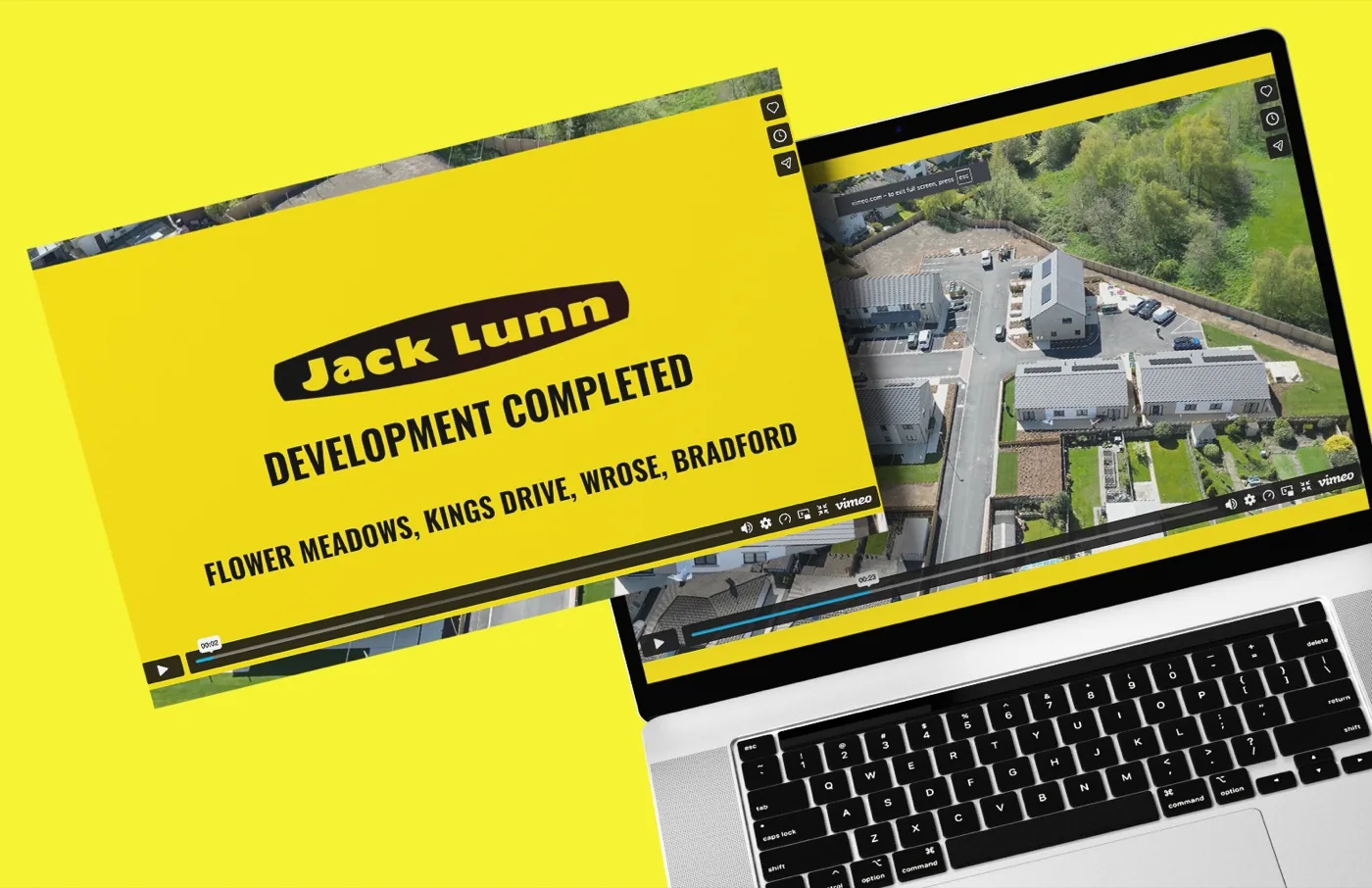
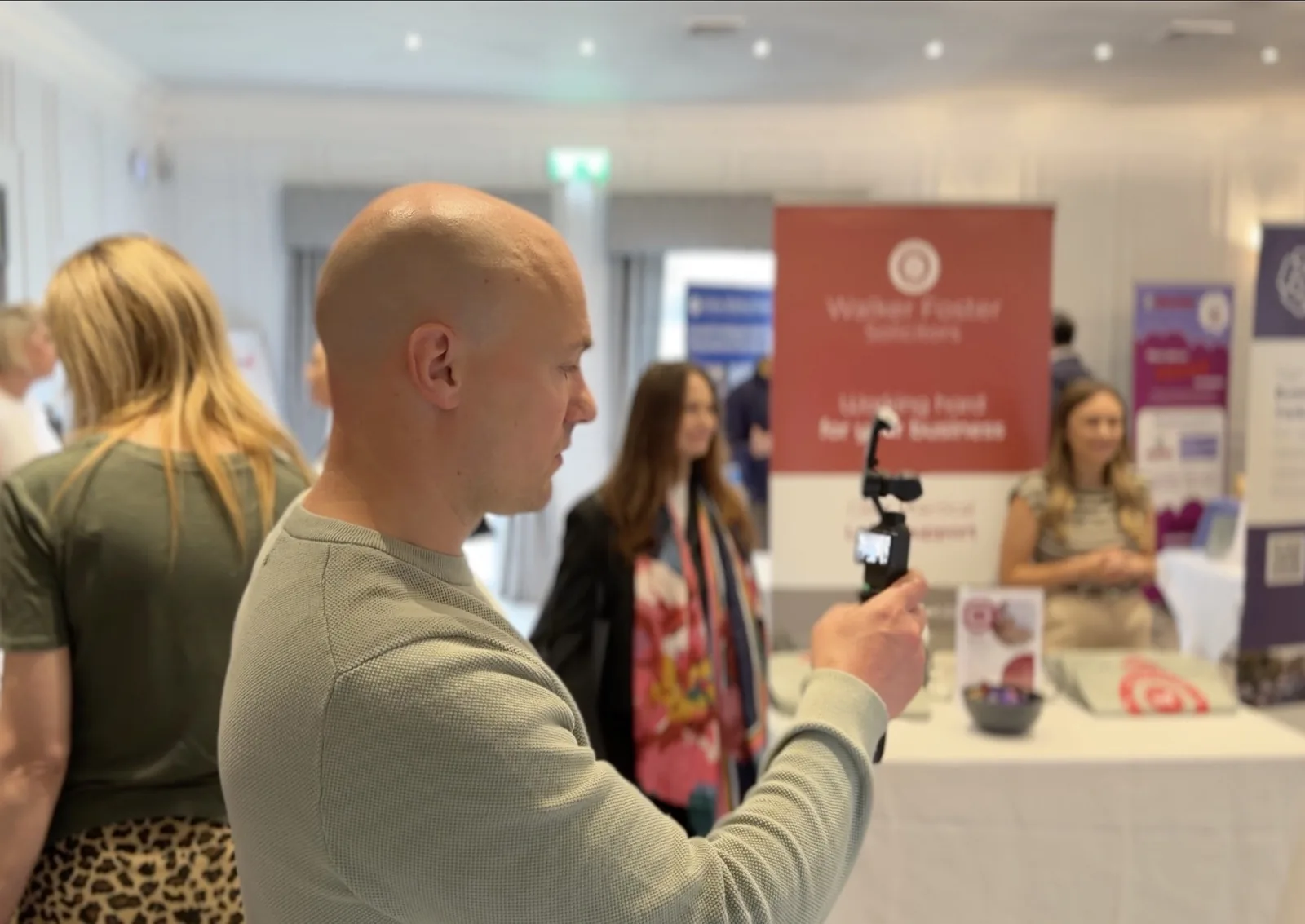
As soon as you have work worth showing, which an established business always does. Proof is the cheapest spend on this list for what it returns, because one site visit with a camera and a drone feeds the website, the Google profile, the social channels and a case study, and none of it goes out of date the way an ad does. Standeven Flooring’s jobs, including the M&S Food store in Pudsey, were filmed as they happened, and showing that work has helped win more large contracts. Jack Lunn’s developments were filmed from the air and named, and the LinkedIn growth and engagement followed.
When should paid campaigns come in?
Once the landing page converts and the organic work is under way, so that paid spend tops up demand you can already turn into enquiries. Google Ads earns its place for a service with obvious search demand, where you are paying to reach people who already want the thing. Paid social earns its place for staying in front of people who visited and did not enquire. Start small, track every click through to the form, and stop whatever does not pay within a quarter.
What should we not be spending on yet?
A rebrand for its own sake, a big social following, a monthly blog nobody asked for, and any tool or supplier that sells on impressions. None of those are wrong for ever. They are wrong before the page converts, the right searches are covered and the proof is on the site, because they add cost without adding a single enquiry. If a supplier is proposing one of them first, ask what it will do to the number of enquiries next quarter and listen carefully to the answer.
How would Halizona split a first-year budget for a Leeds SME?
Roughly in the order above, weighted towards whatever is most broken, and agreed as a fixed monthly figure once we have looked at the business. The first months are usually heavy on the website and the search foundations. Filming starts as soon as there is a job worth filming. Paid campaigns come in only where a page is ready to receive them, and some businesses never need them at all.
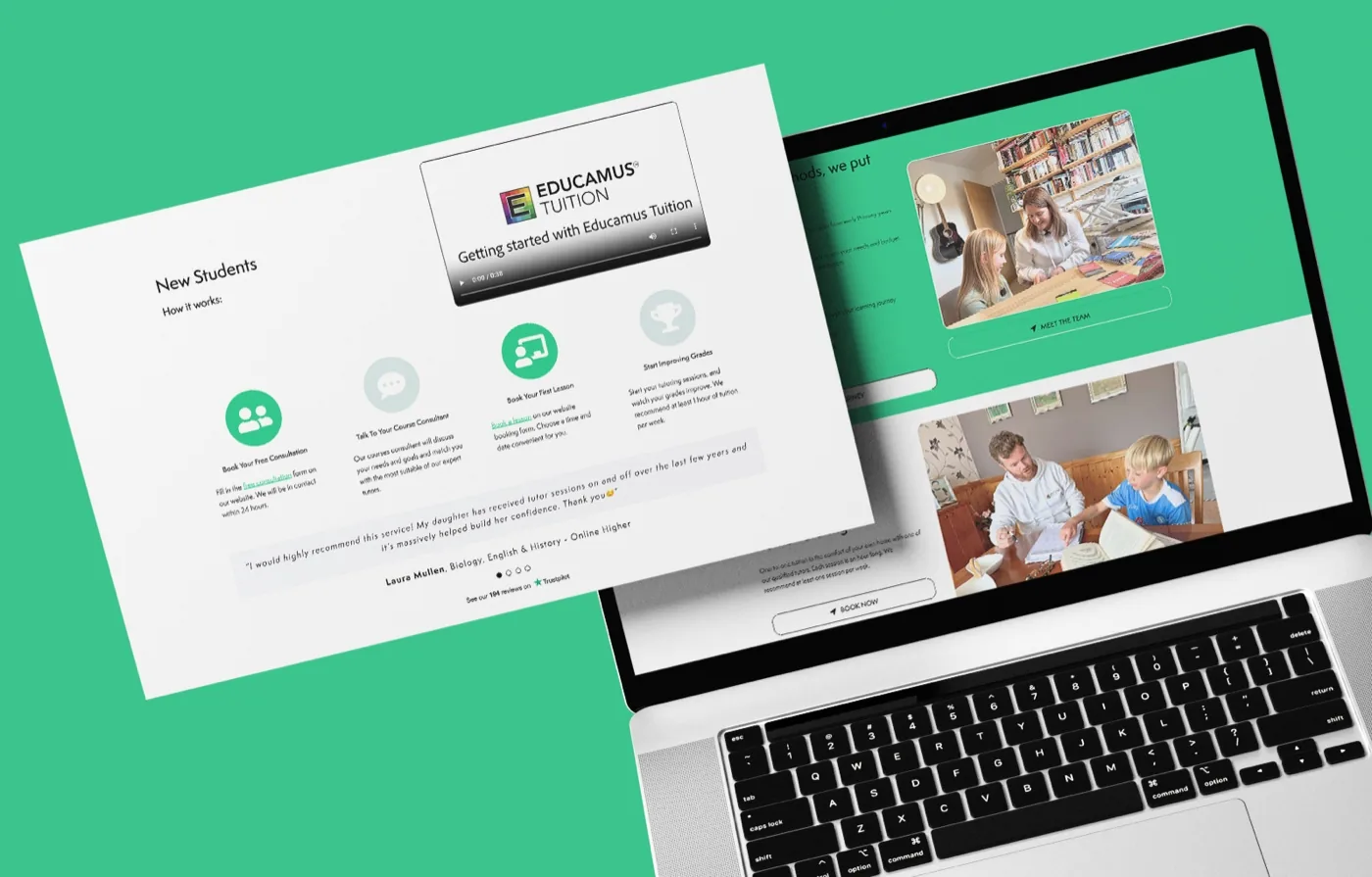
Educamus Tuition went through that order with us, website first, then search visibility, content and the route from a page to a booking, and turnover more than doubled in the first year. Three years on the plan is still ours to run, and the budget still goes on whatever will make the biggest difference next.