What comes first, the website or the marketing?
The website, because every other channel sends people to it. A buyer who finds you on Google, in an AI answer or on LinkedIn lands on the same pages, and if those pages cannot explain in ten seconds what you do, who for and where, the money spent getting them there is gone. Fixing that does not always mean a new site. It usually means a page for each service you want more of, written in the words buyers use, with the proof on the page and a short route to an enquiry.
RB Electrical in Halifax is the clearest example we have. Each of its services, EV charging among them, has a page with enough on it to rank and to be believed, and the business has averaged around two organic leads a week for five years, at roughly a five to one return.
Where do Leeds buyers actually look for a business like ours?
Google first, in three places at once: the ordinary results, the map pack, and increasingly the AI answer that sits above both. For business buyers LinkedIn comes next, and for consumer trades it is Facebook, local groups and the reviews on your Google profile. Social search, people typing a question straight into TikTok, Instagram or YouTube, is growing quickly, particularly among younger buyers.
The useful part is that all of those read the same signals. A page built around the words people actually type, a complete Google Business Profile, consistent business details and real reviews serve the search results, the map and the AI answer together. Dolphin Heating in Huddersfield is number one on Google for female gas engineer Huddersfield and named in the AI answer, from one page written around the thing customers were searching for.
What proof does an established business need online?
Named projects photographed by you, Google reviews with real names on them, a short written case study for the kind of work you want more of, and the faces of the people a buyer will deal with. An established business has all of this lying around in its job history and almost none of it on its website.
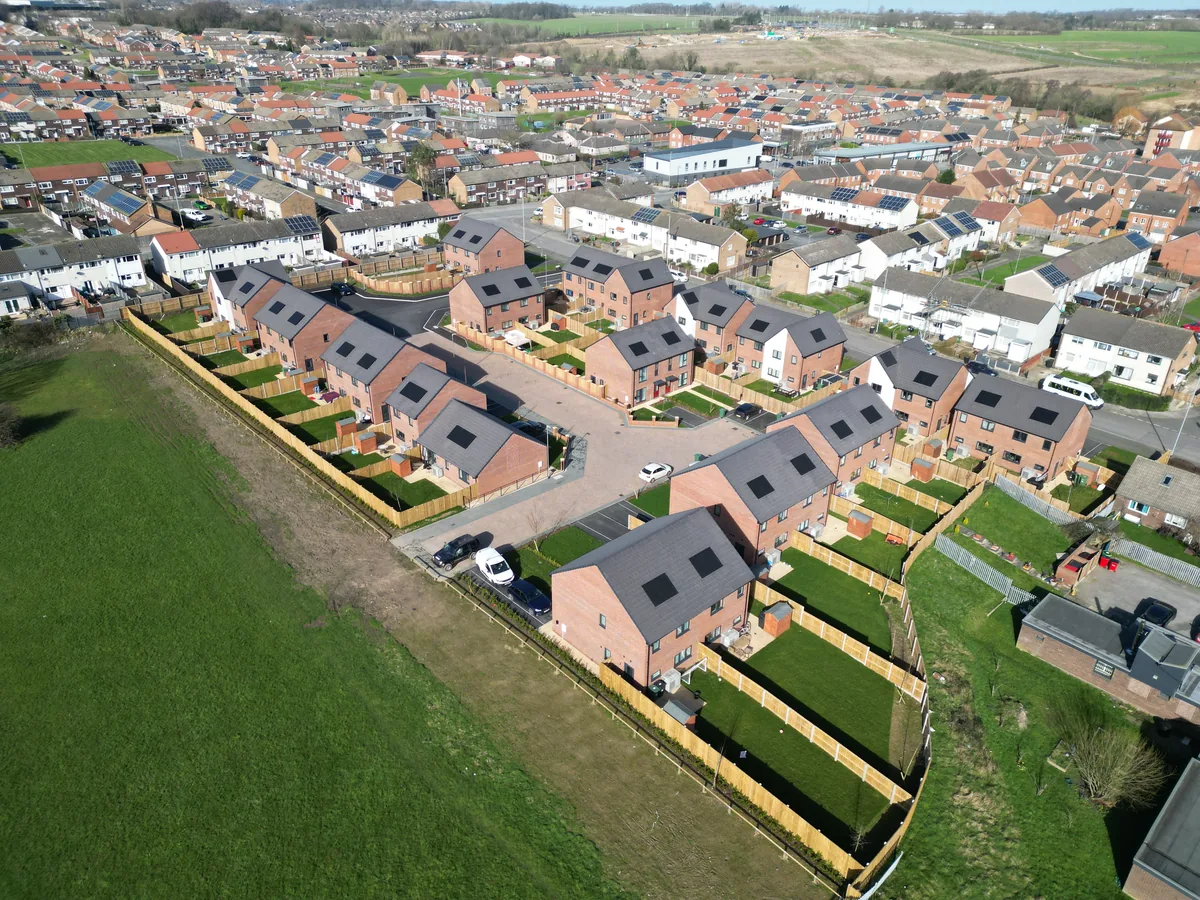
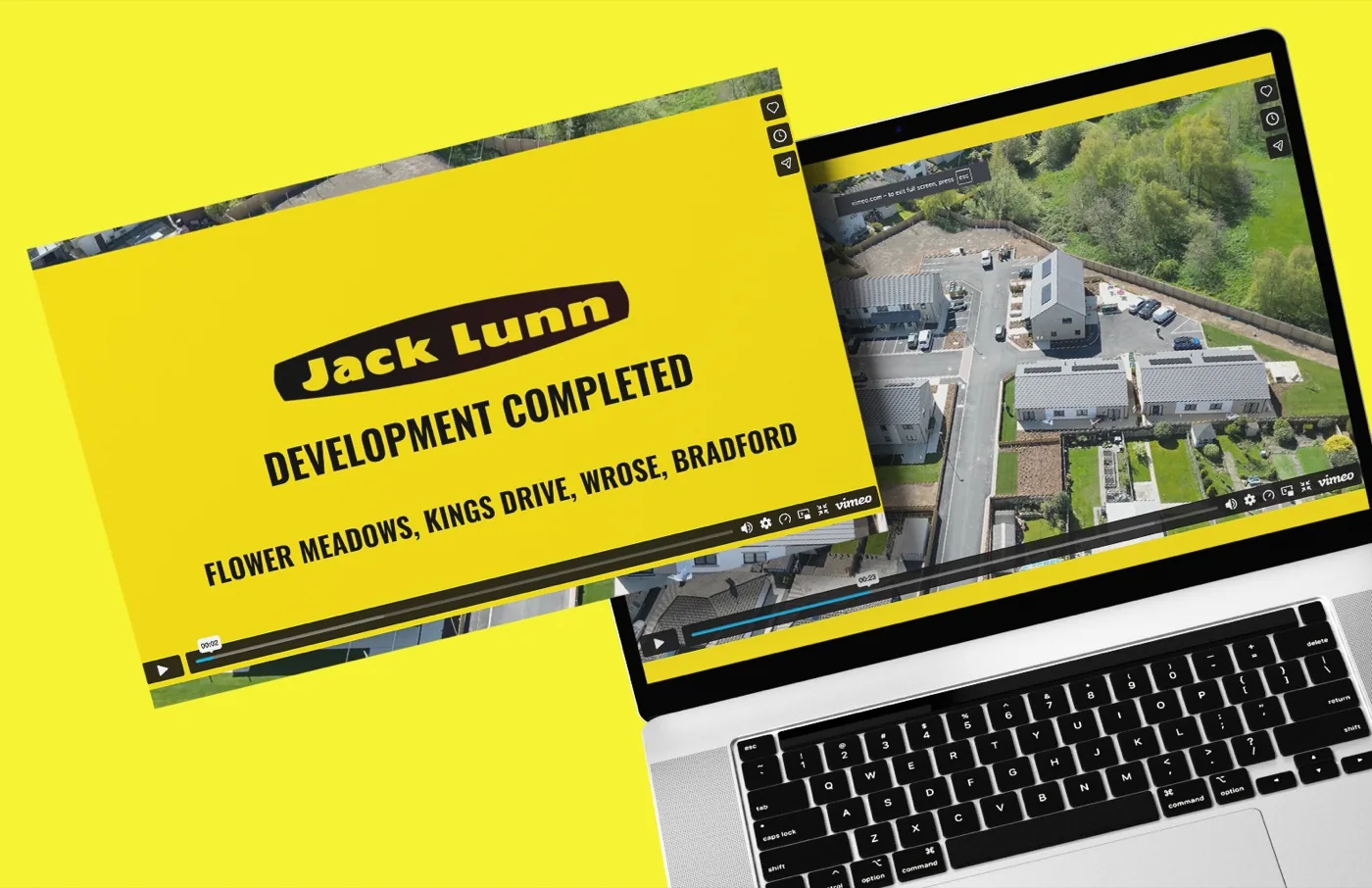
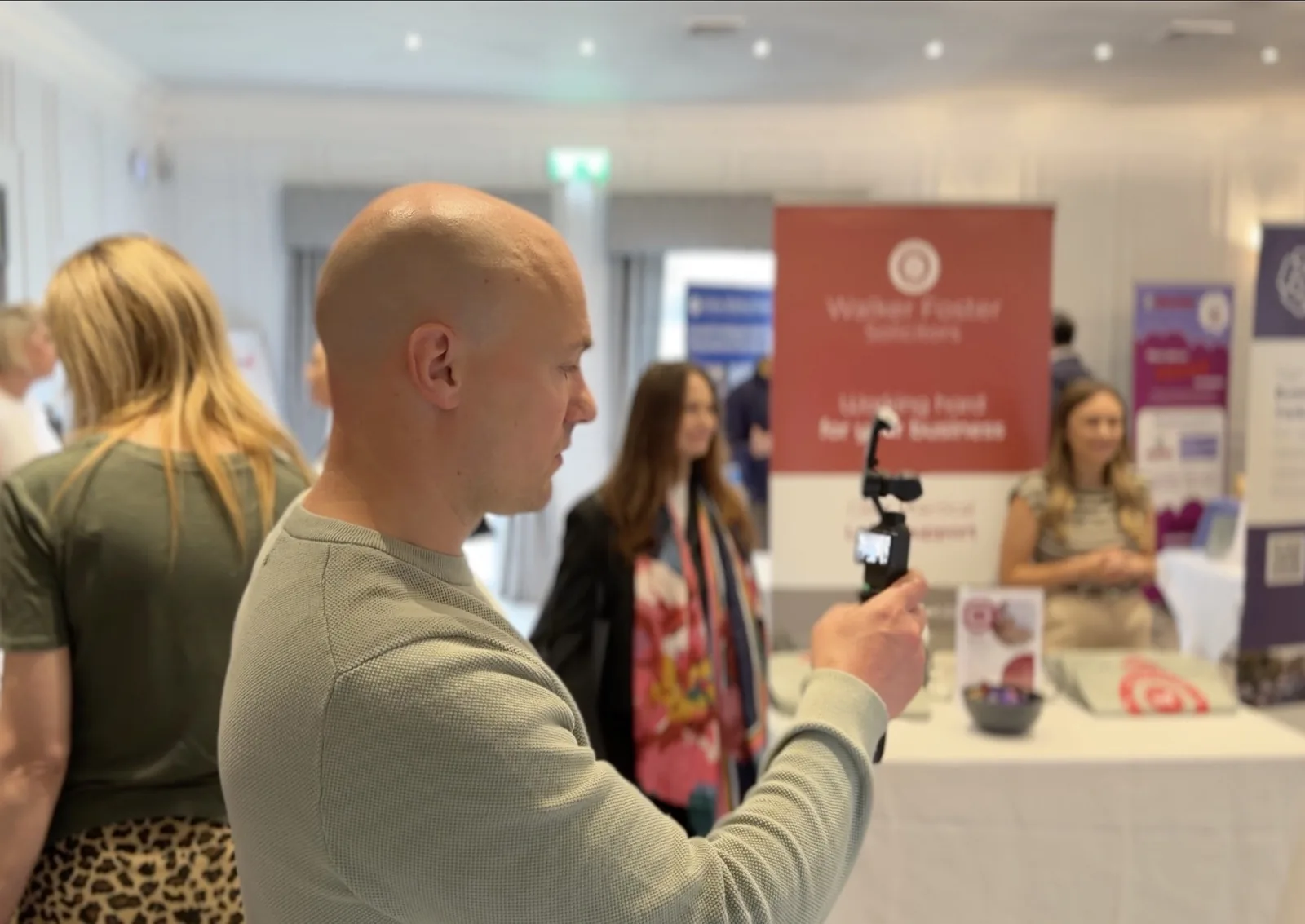
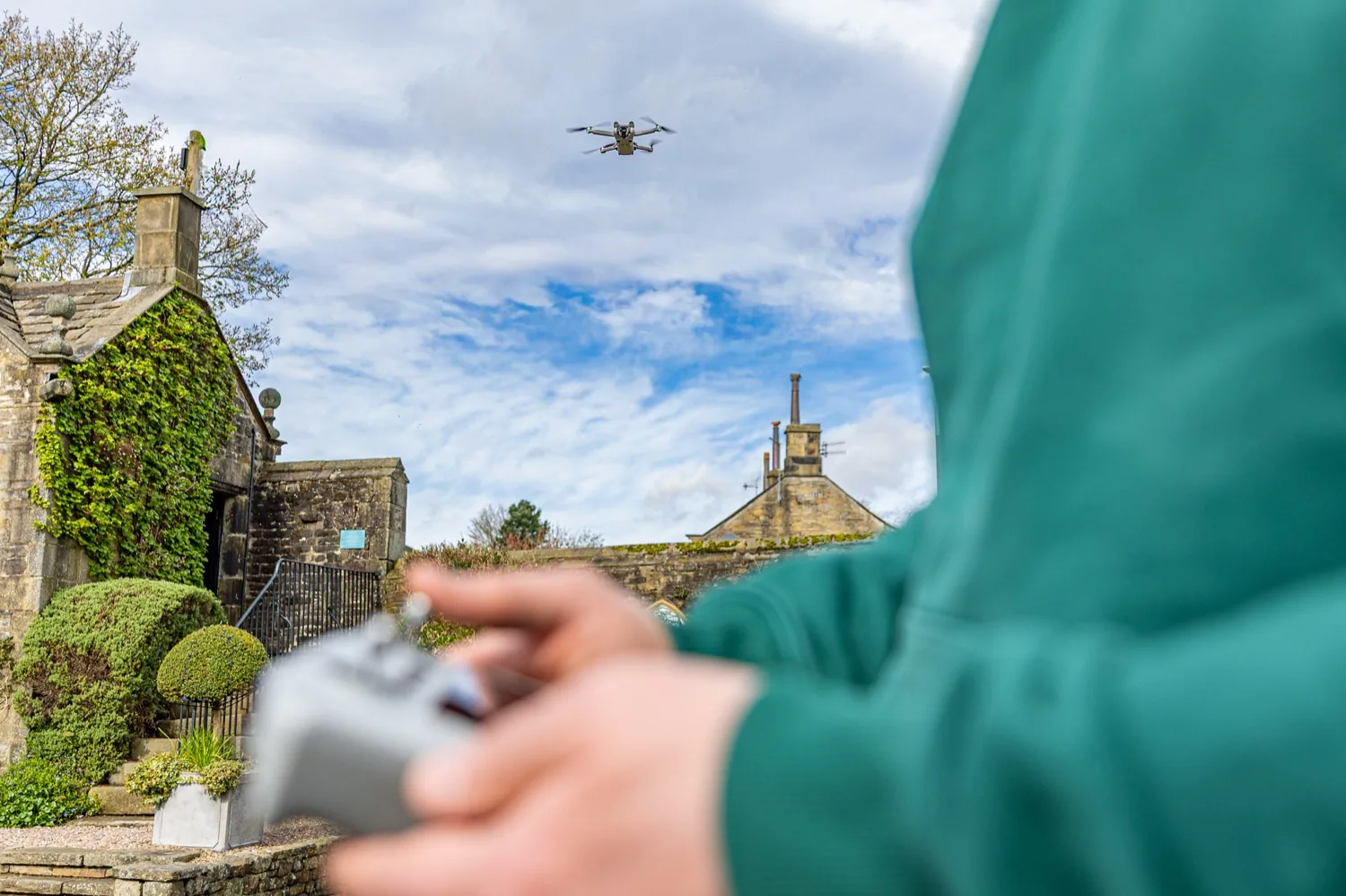
One site visit with a camera and a drone usually produces the lot: the project page, the Google profile photos, a month of social posts and the footage for a case study video. Standeven Flooring has had jobs like the M&S Food store in Pudsey filmed as they happened, and showing that work has helped win more large contracts. Jack Lunn’s developments are filmed from the air and named, and the LinkedIn growth followed. Where a project genuinely deserves it, a piece in the trade press adds the kind of third-party mention that AI search leans on.
Do we need social media, and which one?
Only where your buyers are, and one platform kept up consistently does more than four visited occasionally. Construction, property and B2B firms in Leeds tend to get the most from LinkedIn, where the directors, buyers and specifiers already are. Consumer trades do better on Facebook and on Google Business Profile posts, which almost nobody uses and which sit right on the map listing. The content is the same in every case: the jobs, the people and the answers to the questions customers ask, filmed and photographed on site.
Should we be paying for ads?
Sometimes, and nearly always after the website and the search foundations are in place. Google Ads works for a service with clear search demand and a page that converts, because you are paying to jump the queue for people who already want the thing. Paid social works for staying in front of people who have visited once. Both are a waste on a weak page, and both need tracking through to the enquiry so you can stop whatever does not pay.
How does it all become one plan?
Start from the work you want more of, decide the three or four things most likely to win it, and put the budget and the months behind those. For a twelve-person Leeds contractor that might be fixing four service pages, photographing three live jobs, one video a quarter, a weekly Google Business Profile post, two LinkedIn posts a week and a monthly look at the enquiries together. Written down, it fits on a page.
That is the plan we build with every business we work with. The reason we do the website, the search work, the filming and the social ourselves is so that the plan is the thing that gets followed, and every month the hours go on whatever will make the biggest difference next.